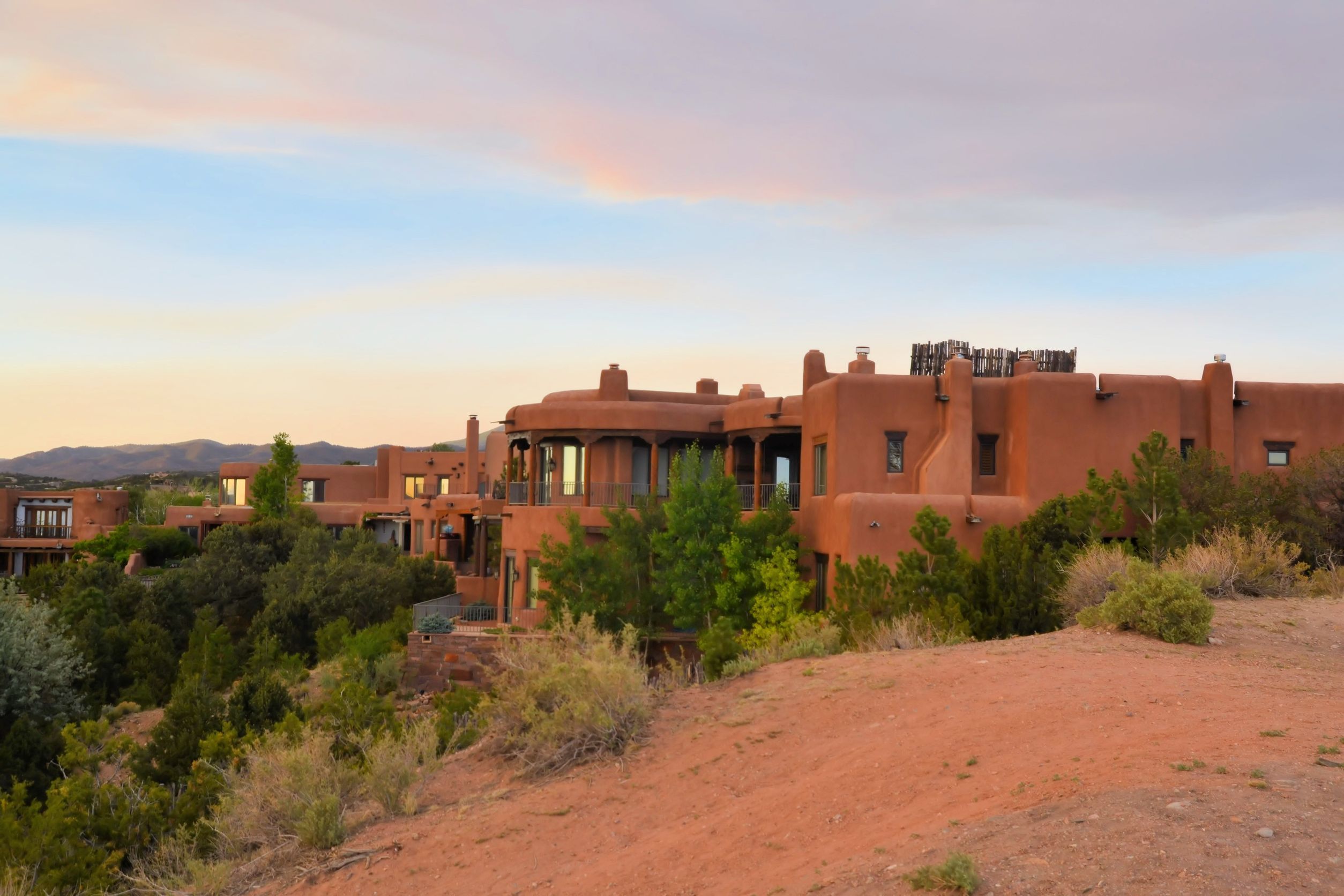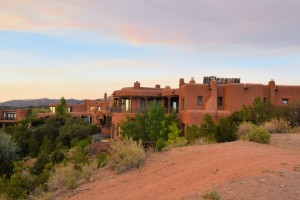
Santa Fe, New Mexico
Today we have a guest post—the second in a series—by an author we have all gotten to know by the nom de plume of Candi, CSW. Click here to read the first article in the series, as Candi takes us on a tour of the Grand Canyon. Below, Candi takes us on the second leg of her southwest sojourn to New Mexico—complete with museums, turquoise jewelry, and (of course) New Mexico wine!
After a worthwhile stop at the Grand Canyon, our next destination was New Mexico. We used Santa Fe as our base of operations and took side trips to Los Alamos and Taos. Given our preferences to avoid crowds and noise, our stay in Santa Fe was on weekdays. I highly recommend this strategy if your goal is a relaxing, all-adult trip.
Our side trips were both very scenic drives, which reminded me of the book cliff-type canyons and mesas of Colorado. Highlights of our side trips included:
Bradbury Science Center, Los Alamos. This is a free, small museum located in the center of the small town. Convenient parking right outside the door, staffed by enthusiastic volunteers. If you are a history and/or science buff, this is worth a stop. Provides a sobering, educational experience of our history from World War II to the present.
Los Alamos Nature Center. Not easy to locate, but once we found the place it was a literally hidden “gem”. Apparently run by a not-for-profit, again staffed by volunteers. The outdoor exhibits feature succulent gardens and local plants. Indoors, there were exhibits about plant, insect and animal life. If I am going to view snakes, scorpions and tarantula spiders, I prefer to do so when they are in glass-enclosed cases. Then I can take a close look and identify what I hope to never see in my own yard.
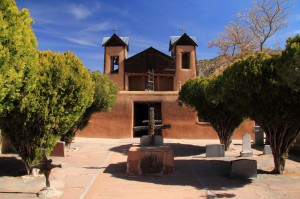
Taos, New Mexico
Millicent Rogers Museum, Taos. Again, not easy to locate, but what a find once we got there! This museum surfaced on my pre-trip research, thank goodness. Wonderful displays of Native American blankets, rugs, pottery, and ceramics. But the highlight was clearly Ms. Rogers’ collection of Southwest jewelry. Much more elaborate than my personal taste, but stunning. Silver, turquoise, other gems, necklaces, oh my! Highly recommended if Southwest culture and art are of any interest. Yet again, a helpful volunteer provided additional information on Taos to assist us in making a few stops on the way out of town.
When we checked in at the Rogers Museum, there was only one couple next to us doing the same thing. One of them mentioned that she was American, but had married a British citizen and lived in the UK. So the wine geek in me asked if she had tried the British sparkling wines and, if so, what did she think? Well. It turned out that she and her husband own vineyards in South Africa! I have the names of their brands to research. But I ask you, what are the odds of that type of meeting in a museum on the outskirts of a small town in New Mexico? Curiouser and curiouser.
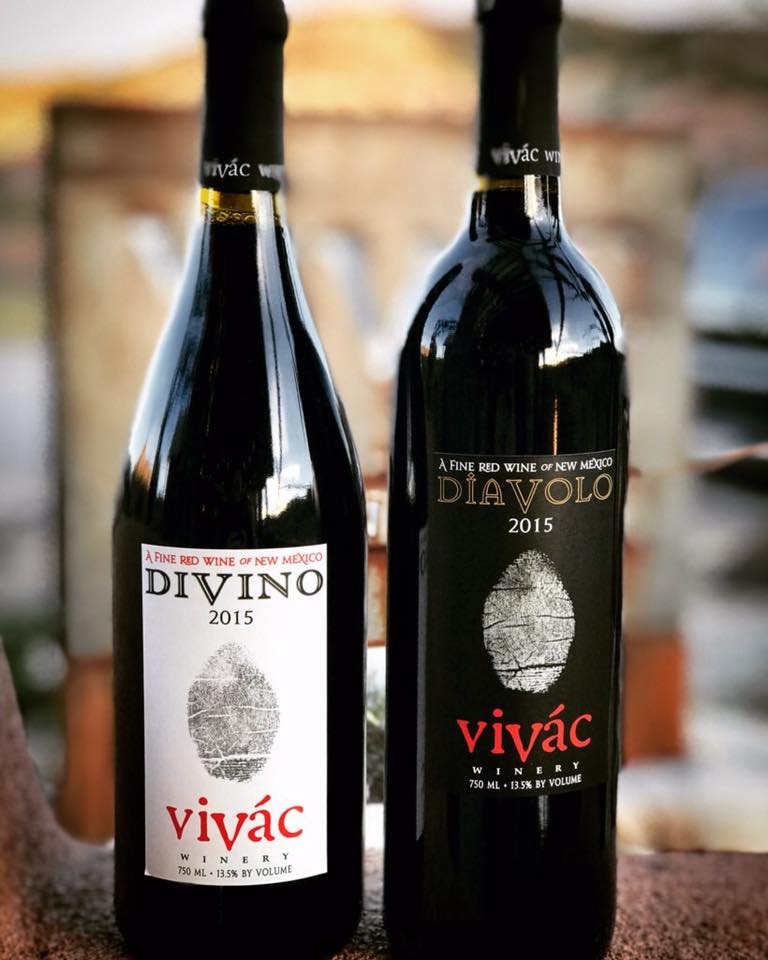
The town of Dixon is located between Taos and Santa Fe. This little place is the site of Vivac Winery. This vintner features wines made from grapes grown in New Mexico. My preferences include both small-production wineries and those that feature grapes grown in the state in which the winery is located.
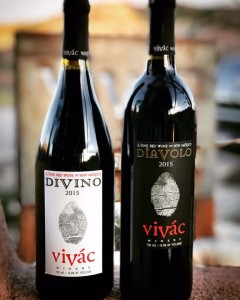
Photo via: https://www.facebook.com/VivacWinery
Sidebar: I understand that some connoisseurs tend to, ahem, frown upon wines that are not from the glamorous, well-known viticultural areas. One of the great things about wine is there can be something for all of us to enjoy.
The Vivac facility includes wine tasting, wines by the glass and even craft beer tasting. Lesson one about tasting in relatively remote areas: tasting room staff of these facilities may not be especially knowledgeable about wine. My strategy was to take an open-ended approach; for example, just asking what the server could tell me about the wine. Note- taking. Looking at label detail. Getting what information that I could. Part of the adventure.
Vivac wines sampled included Chenin Blanc, Dry Riesling, Sangiovese, Refosco, Tempranillo, and Cabernet Sauvignon. A plus was the wide selection of varietals from which to choose. I was not, however, able to discern enough variation in wine quality and impact to purchase the more expensive wines tasted. So Chenin Blanc and Sangiovese were the choices. We have since enjoyed a bottle of each and they have proven to be solid selections. Bonus: our hotel featured a program encouraging visits to local merchants. Each wine bottle was 15% off, and I had planned this visit before even learning about the discount. Score!
Our final day in New Mexico was reserved for Santa Fe. We began with a stop at the very popular Georgia O’ Keefe Museum. If you are a fan, it is worth a stop. But beware: the museum is small and the entry fee is steep compared to others that we encountered. We will return to the gift shop, though. Nice, varied selection and, duh, no fee to get into the shop!
Until this trip, I did not realize that Santa Fe is considered quite the culinary destination. There is even a Santa Fe School of Cooking. Given my wine passion, branching out into a beginning foodie has been a natural extension. So a stop at the School’s shop for School of Cooking products was a no-brainer. Oh, and remember the 15% discount? Another score at a shop I had already planned to patronize.
.
Another sidebar: for takeout dinners, we especially enjoyed Blue Corn Cafe and Rooftop Artisan Pizza. Blue Corn was a place we visited 10+ years ago and they are still going strong. Rooftop is an affiliate of Blue Corn and makes some interesting pies featuring Southwest items such as green chiles and, yes, blue corn crust.
We strolled the Santa Fe Plaza, but found the shopping to be limited with more vacant retail space than we expected. And, the shops seemed to alternate between tacky-touristy and very glamour-oriented with prices to match. A benefit that resulted: we had time to walk further, to the galleries and shops along Canyon Road.
After seeing the Rogers Museum the previous day, my interest in Southwest art, pottery and ceramics had grown. One of the Canyon Road galleries had several “starter” collectible pieces that appealed. One followed me home. Looking at the piece every few days since returning, it still entices and reminds me of the vacation. Sort of like bringing home a bottle of wine you’ve tasted, enjoying after a year or two, and confirming that your purchase was a good decision.
Thanks to our first stop at the Grand Canyon, we were acclimated to altitude. But on our Santa Fe day, we again walked well over 3 miles, all on hard surfaces. It was well worth the additional 1+ miles we put in to get to Canyon Road. At the end of the afternoon, we began to feel the impact of the activity. A bit sore. Made it back to the hotel, slowly. Walked to the lobby elevators. Tired. Just thinking of putting our feet up and re- hydrating.
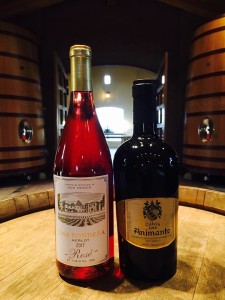
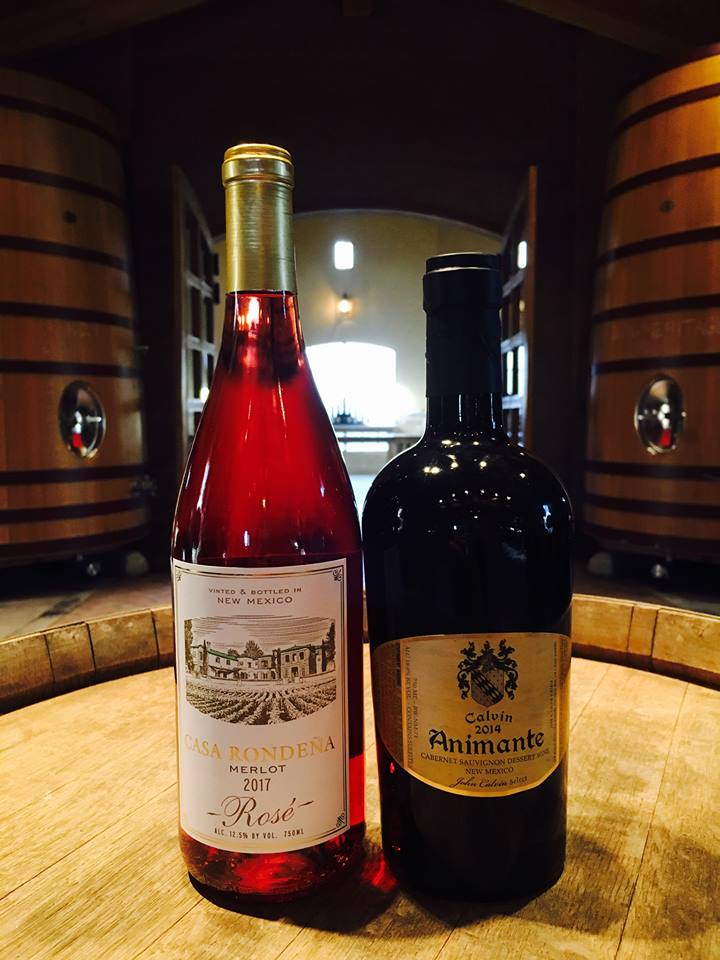
Photo via: https://www.casarondena.com/winery/
Wait. My “Wine-Dar” (Wine Radar) went off on the way into the elevator. We took the elevator to our floor, unloaded all of our purchases, and my husband went to the ice machines. I just had to go back downstairs and check out my Wine-Dar. Sure enough, there was a table set up in a corner of the lobby. Hotel staff at the ready. Several bottles of Red on the table, White in an ice bucket. Glasses. I approached the table and noted one gentleman wore Sommelier name tag. OK. I explained that I was a complete wine geek, and basically asked what he was doing.
Turns out that many hotel guests are unaware that New Mexico makes wine. And, once a week, they offer wine samples to guests from one of the small wineries. This week, it was Casa Rondeña, a vintner new to me. Never one to be shy about wine, I asked if I might take a two glasses of vino up to our room; of course! So I asked about the various options and settled upon one glass of a Bordeaux-style blend of Merlot, Malbec and Cabernet Franc. My other choice was another blend: Tempranillo, Syrah and Cabernet Sauvignon.
Back up the elevators with two glasses of wine and a smile on my face. Put feet up. Once that was done, there were no plans to leave the room until morning. Pacing ourselves.
For the evening, we had takeout already in the frig, along with a half-bottle of Vivac Chenin Blanc. At dinnertime, we got out the paper plates, enjoyed our takeout, and began with the Vivac in our trusty plastic wine glasses. At one point, I got up to refill my glass. Opened the frig, which required turning my back on husband. Poured some wine, and heard behind me a light tapping sound. Although I was tired, I was alert enough to know two things. One, the tapping sound was made with a plastic wine glass gently coming in contact with a table. Two, the translation was: “hit me again, woman”. He’s not a demanding soul, but, hey, I was the one standing up by the frig.
Later, each of us sampled the two Casa Rondena wines. Husband preferred the Bordeaux- style blend. I preferred the other blend. So each of us got the remainder of our preferred wine. In a glass glass, even. Funny how preferences work out that way.
A very nice visit to New Mexico. A blend of culture, beautiful drives, shopping, nice dining, and enjoying new and different wines.
By the way, did you know that Scottsdale, Arizona now has a wine trail? Stay tuned for Part Three.
In the meantime, New Mexico Wine Cheers!