Dispatch from the Muscadet AOC

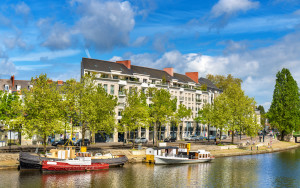
The Erdre River at Nantes

The Erdre River at Nantes

There are some people that consider Muscadet to be a rather uninteresting wine. After all (they may argue), it’s old-fashioned, it is a mono-cépage (wine produced from a single grape variety), and the grape itself—Melon de Bourgogne—is rather neutral in aromas and flavors. 

Others would argue that Muscadet—the leading wine of the Loire Valley’s Pays Nantais and produced in four separate appellations including Muscadet AOC, Muscadet Sèvre-et-Maine AOC, Muscadet Côtes de Grandlieu AOC, and Muscadet Coteaux de la Loire AOC—is complex, delicious, and fascinating. After all, the Pays Nantais is itself somewhat complicated, with a great diversity in its topography, soils, and micro-climates. Combine that with the fact that the wine is often put through sur lie aging, and you have a region that can produce a wine that may show up in a variety of styles from light, citrus, and mineral-scented to rich, yeasty, and full of tropical fruit flavors.

While we’re on the subject of Muscadet, here are a few more fascinating facts about the grape, the wine, and the region:

The Year was 1937: The Muscadet AOC was originally approved on September 23, 1937—making it one of the oldest AOCs for wine in France. The very first wine-specific AOCs were approved on May 15, 1936.
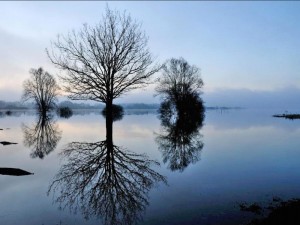
Photo of Lake Grand-Lieu via www.france-voyage.com

Photo of Lake Grand-Lieu via www.france-voyage.com

La Lac de Grand-Lieu: Lake Grand Lieu (La Lac de Grand-Lieu) is located about 8 miles (14 km) south of the city of Nantes. The lake stretches across 6,000 hectares in winter, when it is considered the largest natural lake in France. Lake Grand Lieu was ceded to the country of France in the early 1980s under the condition that it be declared a national nature reserve. The lake contains four distinct habitats—including open water, a water lily bed, a reed bed and several meadows that flood for six to eight months a year. More than 500 species of plants make their home on the lake, and over 270 species of birds fly through the region each year along their migratory route towards the Atlantic Coast. The area is also home to ducks, geese, otters, and frogs. As the lake is 100% a nature preserve, access is limited and most forms of boating and fishing are not allowed. However, there are 7 members of the traditional fishing community that have been assigned a special authorization to fish during certain times of the year.

Le Muscadet Nouveau est arrivé: Muscadet AOC is allowed to be bottled using the term “Nouveau” or “Primeur.” Muscadet Nouveau AOC may be released on the third Thursday of November (which is, it seems, a very good day to host a wine party).
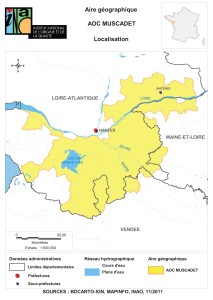
 Map of the Muscader AOC via the INAO

Map of the Muscadet AOC via the INAO

The Muscadet AOC: The Muscadet AOC is large area, starting just east of the place where the Loire River meets the Atlantic Coast and extending inland for almost 55 miles (90 km) to the western edge of the Anjou District. The majority of the area is located within the Loire-Atlantique Département, but small portions extend into the Maine-et-Loire and Vendée Département as well. Many of the vineyards are located to the south and east of the city of Nantes; others are concentrated along the Loire River (and its famous tributaries, including the Sèvre, the Erdre, and the Maine) as well as the area surrounding Grand Lieu Lake.

Clisson, Gorges, and Le Pallet: The Muscadet Sèvre-et-Maine AOC, tucked between the Sèvre and the Maine Rivers close to where they flow northwest in the Loire River, contains three (smallish) sub-regions: Clisson, Gorges, and Le Pallet. These three sub-regions are delineated based on soil types—Clisson is granite-based, Gorges rests on clay and gabbro, and Le Pallet is known for gneiss and quartz. Wines labeled with these sub-regions—often referred to as crus—must be produced from grapes grown on these soils. The three sub-regions also have varying requirements for sur lie aging and total aging before release, and wine are often aged on the lees for two years or more. Click here for a map of the sub-regions of the Muscadet Sevre et Maine AOC, via the INAO.
.

.

Le Grand Hiver:  On January 5, 1709, much of Northern Europe woke up to a deep freeze. The freezing temperatures—which spread from England (where they called it “The Great Frost”) across France (where they called it Le Grand Hiver) and Northern Italy, through Scandinavia and parts of Russia—lasted almost three months. This was considered to be the coldest winter in Europe in over 500 years. During this time, Elizabeth Charlotte, the Duchess of Orléans wrote a letter from her Loire Valley home exclaiming, “Never in my life have I seen a winter such as this one; the wine freezes in bottles.” Not long after The Great Frost, red grapes were outlawed in Nantes and the area became (for a time) a white wine-only region. It was during this time that the cold-hardy Melon de Bourgogne grape came to dominate the vineyards of the Pays Nantais.

References/for more information:

Post authored by Jane A. Nickles, your blog administrator…
Welcome to the World, VCIG Cebreros!

Logo of the DOP Cebreros via http://dopcebreros.com/

Logo of the DOP Cebreros via http://dopcebreros.com/

After several years of application status, the wine region of Cebreros has (as of April 11, 2019) been recognized as a Vino de Calidad Indicación Geográfica (VCiG) by the European Union.

In the Spanish system of wine classification, VCIG wines are included in the protected designation of origin (DOP/PDO) tier. The VCIG classification is seen as a “stepping stone” to the higher designation of origin (DO) status. VCIG areas are considered eligible for promotion to DO after five years.

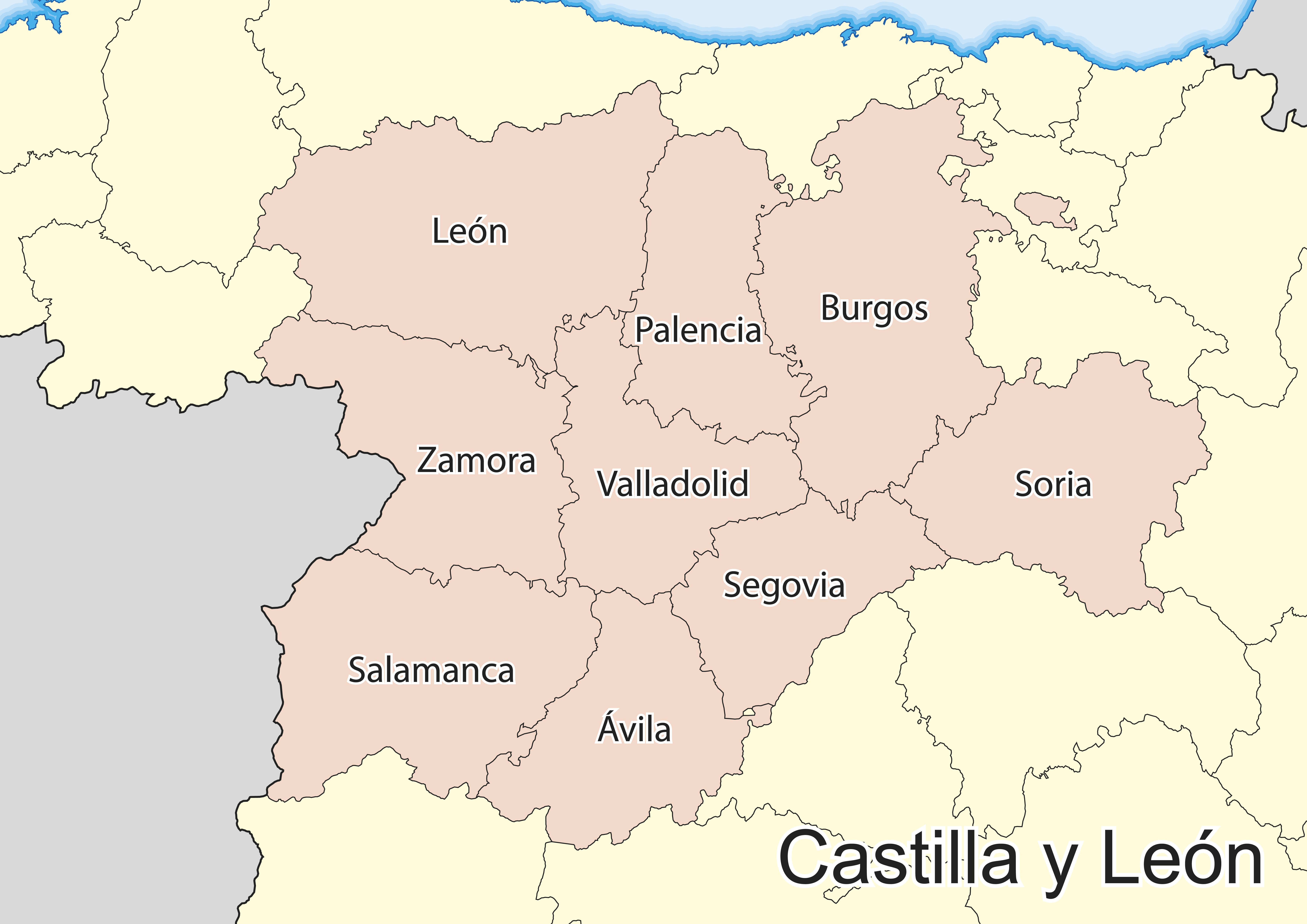
The new appellation is located in the southern section of the province of Ávila, which is itself located in southern section of the autonomous community of Castilla y León. The region stretches across 35 municipalities and includes a portion of the Sierra de Gredos mountain range as well as the valleys of the Alberche and the Tiétar Rivers (both tributaries of the Tagus/Tejo).

The area has a long history of wine production, dating as far back as 1273 when the oak forests of the area began to be cleared to make room for agriculture, including vineyards and wine production. These days, the area has over 375 hectares (927 acres) planted to vine. 70% of the vineyards are Garnacha Tinta (red Grenache), sometimes known by the local name “Gironet.” The remainder is mostly Albilla Real (a white variety).

.

.

The VCIG is approved for the production of still (non-sparkling) wines in red, white, and rosé. Some of the details of these wines are as follows:

  • Red Wines: Must be produced from a minimum of 95% Garnacha Tinta, should be “clear in appearance, with cherry-red tones and touches of violet;” minimum 13% abv
  • White wines: Must be produced using 100% Albillo Real grapes, should be “clear and brilliant, with a fruity fragrance;” minimum 12% abv
  • Rosé wines: Must be produced from a minimum of 95% Garnacha Tinta, should be “clear and brilliant, and their color ranges from pale pink to strawberry-pink or raspberry;” minimum 12% abv
.

.

The VCIG Cebreros is not located within any of Spain’s other protected designations of origin (PDOs) for wine. It is, however, located within the larger Vino de la Tierra-Castilla y León appellation (a protected geographical indication, or PGI) that covers the entirety of the autonomous community of Castilla y León.

Welcome to the world, VCIG Cebreros!

References/for more information:

Post authored by Jane A. Nickles, your blog administrator

Meet the Board: Meg Hansen, CSW, CSS

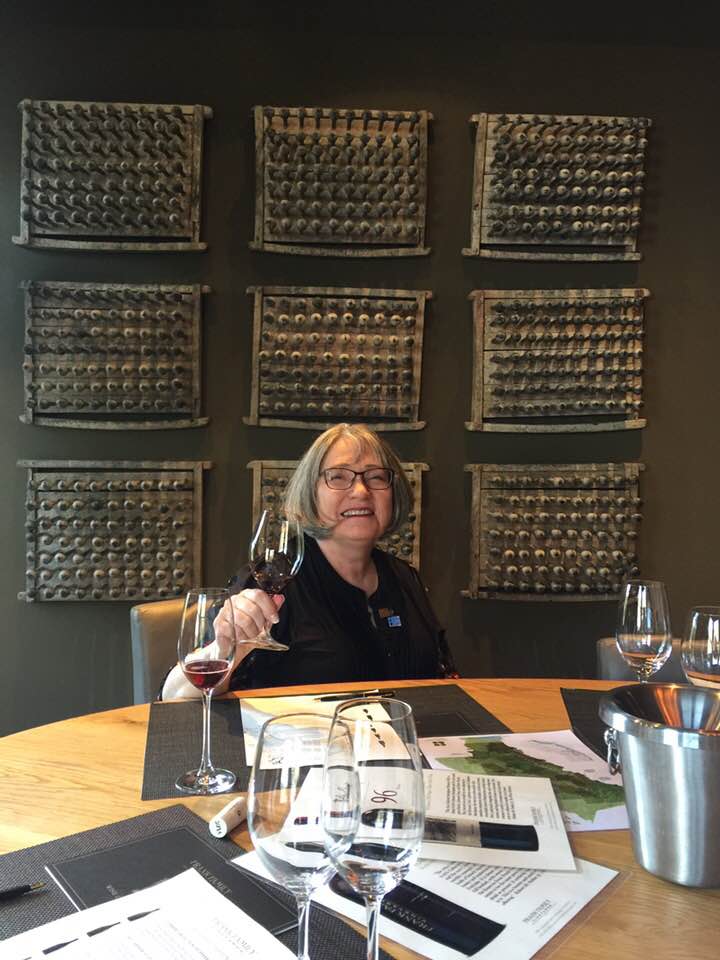
Meg Hansen enjoying a tasting at Frank Family Vineyard in Napa

Meg Hansen enjoying a tasting at Frank Family Vineyard in Napa

Meg (Margaret) Hansen, CSW, CSS is one of the newest members of the Society of Wine Educators (SWE) Board of Directors. Several years ago, Meg experienced an amusing “accidental” introduction to SWE as she was serving on the wine committee of the Minnehaha Country Club. It seems that the club’s chef was scheduled to take the Certified Specialist of Wine (CSW) exam, but by the time the exam rolled around he was no longer employed there. As such, Meg had a “last minute” opportunity to step up and take the exam and by doing so, became determined to learn more about wine and to achieve the CSW. Within a short time, she had earned the CSW as well as the Hospitality Beverage Specialist Certificate (HBSC) and the Certified Specialist of Spirits (CSS) as well. Meg is currently a Certified Wine Educator (CWE) aspirant and has attended the last three conferences as well as dozens of our certification summits and webinars!

In her professional life, Meg is a physician assistant who at one time practiced in the allergy and asthma field and served as a professor in the South Dakota University physician assistant program. For the past 13 years she has been the executive director of the South Dakota Board of Medical and Osteopathic Examiners—the licensing board for physicians and allied health professions who hold a South Dakota license.

As the chair of the Minnehaha Country Club’s wine committee, Meg leads a group that organizes monthly wine dinners and tastings designed to educate the club’s staff, members, and public guests about the wide world of wine and spirits. She wears her CSW and CSS pins at every opportunity and if they do not get noticed, much to the chagrin of her family, she is more than happy to point them out.

Welcome to the Board, Meg Hansen!

Dispatch from Vinos de Madrid DO (and the announcement of a new sub-region)!

.

.

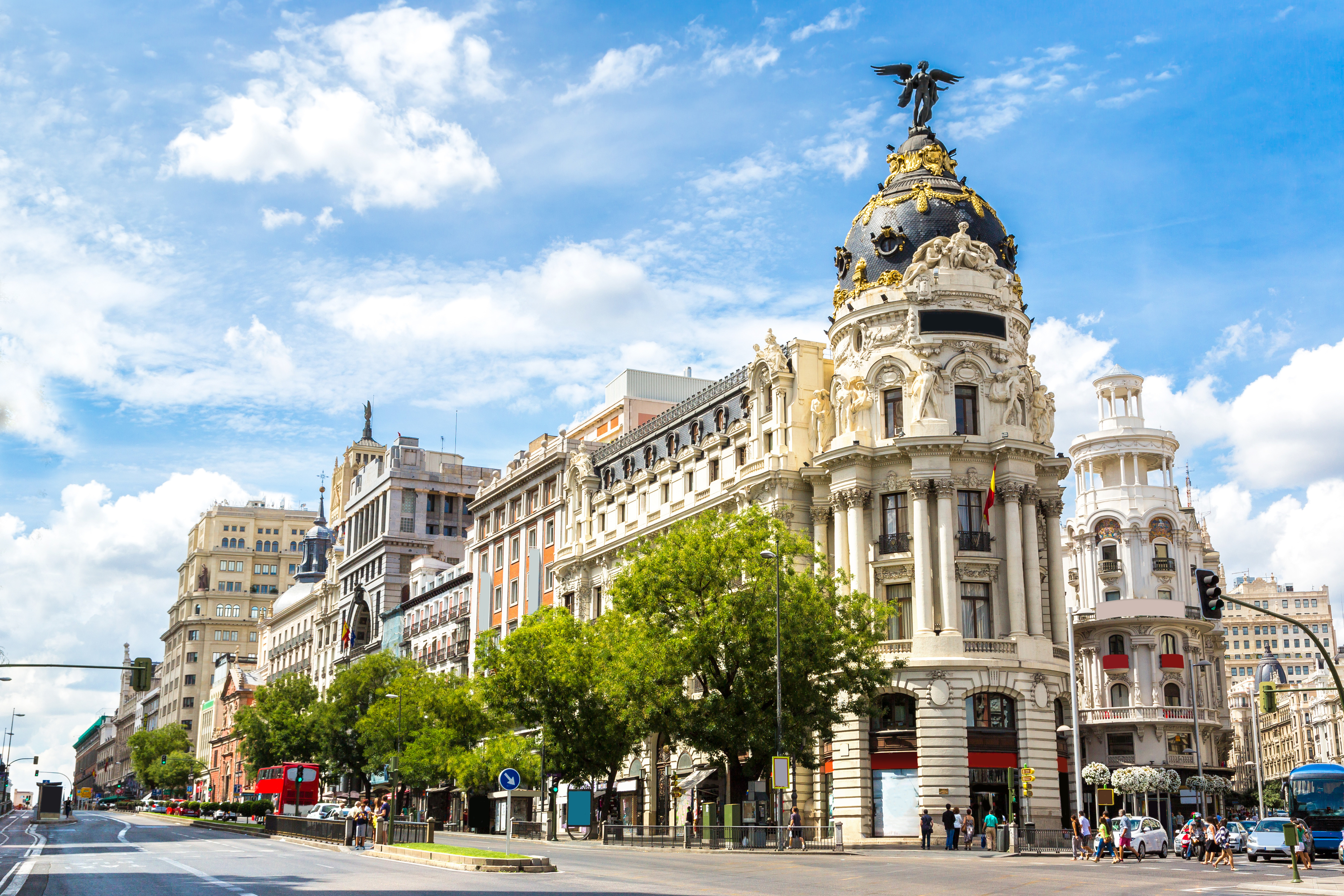
Madrid is a beautiful city, known for world-class dining amazing scenery, and beautiful architecture. If you visit, you’ll want to take in the Prado Museum as well as the Museo Reina Sofia, Retiro Park, the Gran Via, and the Palacio Real (just to get you started).

Madrid is also the name given to one of the seventeen autónomias (autonomous communities) of Spain. The autónomia of Madrid is located somewhat in the middle of the country, bordering Castilla–La Mancha and Castilla y León. The city of Madrid is the capital city of the area and—with a population of over 3 million people—by far the largest.

Logo via: http://www.vinosdemadrid.es/es/

Logo via: http://www.vinosdemadrid.es/es/

The autónomia of Madrid is also a wine-producing area, and has its own geographical indication: Vinos de Madrid Denominación de Origen (DO). The Vinos de Madrid produces a wide range of wines, including tinto (red), blanco (white), and rosado (rosé). The main authorized grape varieties for these wines are as follows:

  • Red and rosé: Tinto Fino (Tempranillo), Garnacha Tinta (Grenache Noir), Merlot, Cabernet Sauvignon, or Syrah
  • White: Malvar, Albillo (Albillo Real), Airén, Viura (Macabeo), Torrontés, Parellada, Moscatel de Grano Menudo (Muscat Blanc à Petits Grains)

Traditional Method sparkling wines—known as Vino Espumoso—are produced as well. Vino Espumoso de Madrid is required to be aged on the lees for a minimum of 9 months; however, the only producer in the region—Bodegas Jesús Díaz e Hijos—ages their bubbly sur lie for at least three years. The grapes allowed in the sparkling wines of Vinos de Madrid DO include the following Albillo (Albillo Real), Torrontés, Viura (Macabeo), Parellada, Malvar, Garnacha Tinta (Grenache Noir) and Tinto Fino (Tempranillo).

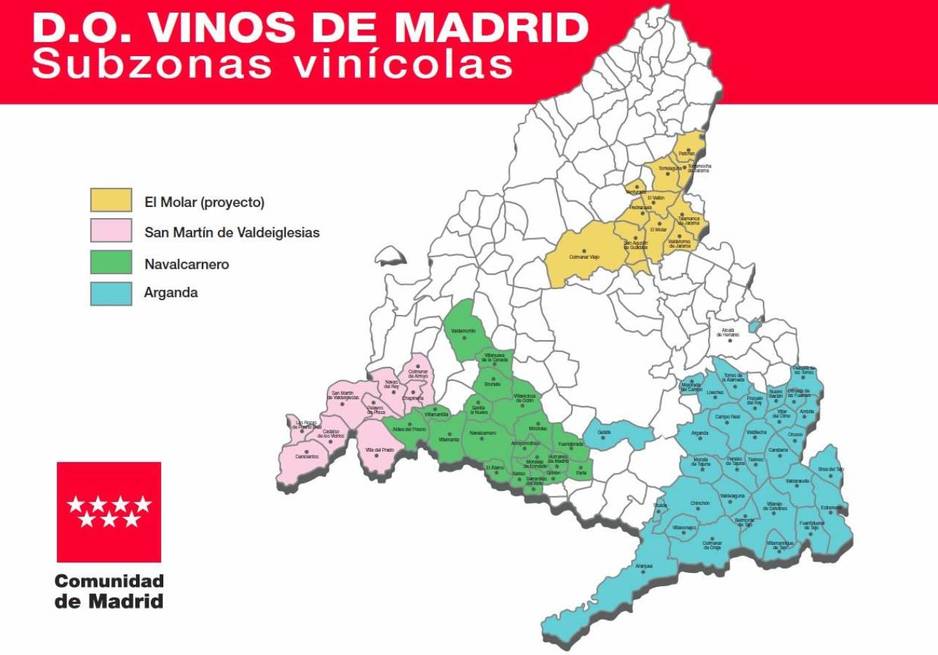
Map via www.vinosdemadrid.es

Map via www.vinosdemadrid.es

The DO is also approved for the production of a unique wine known as Vino Sobremadre. Vino Sobremadre is produced in both red and white styles, and involves a post-fermentation maceration of 90 to 180 days on the grape skins and lees (the madre).

The Vinos de Madrid DO was first established in 1990. Soon thereafter, three sub-regions— Arganda, Navalcarnero, and San Martín de Valdeiglesias—were approved. On March 20, 2019, the Consejo Regulador announced a new sub-region to be known as El Molar.

The new sub-region of ​​El Molar is the only one located in the north of the Vinos de Madrid region, and currently has approximately 600 hectares (1,500 acres) planted to vine (mainly Granacha Tinta and Malvar). The El Molar region stretches between the River Guadalix and the River Jarama, stretching into the Sierra Norte de Madrid Mountains (part of the Sierra de Guadarrama Range) and the Jarama Valley. Wineries in this area are located just to the north of the city of Madrid—and close enough for a day trip. If you leave by 5 pm, you can be back in the city for dinner at the Mercado de San Miguel.

 References/for more information:

Post authored by Jane A. Nickles, your blog administrator