Dispatch from the Anjou Brissac AOC

News flash: The Anjou Villages-Brissac AOC has officially changed its name to Anjou Brissac AOC. (Well, that’s a bit of a minor news flash—maybe more like a news sparkle—but wine geeks will want to know.)
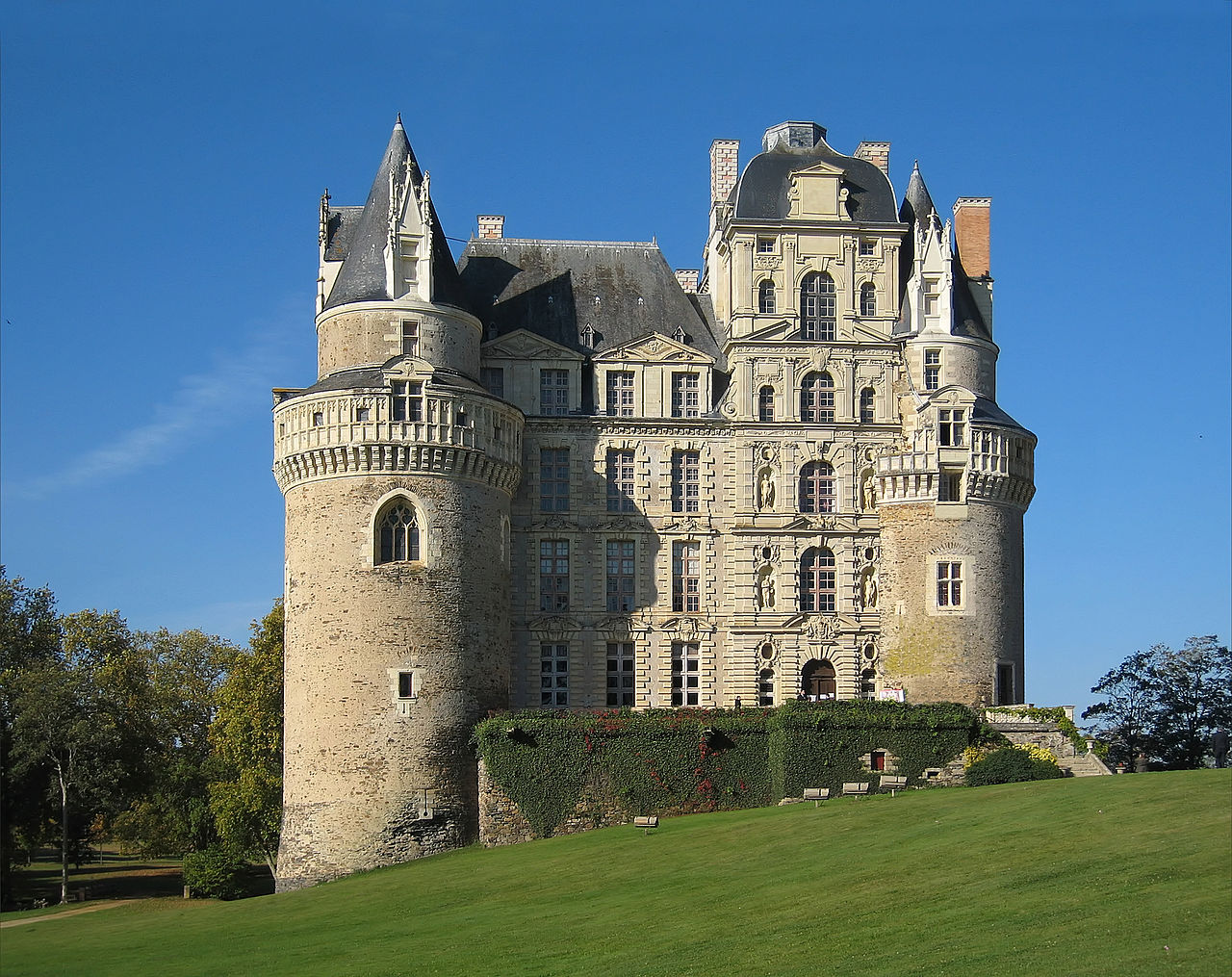
Photo of Château de Brissac by Manfred Heyde via Wikimedia Commons

Photo of Château de Brissac by Manfred Heyde via Wikimedia Commons

The Anjou Brissac AOC produces dry, still (non-sparkling) red wines only. These are defined quite elegantly in French as vins tranquilles rouges. These wines are based primarily on Cabernet Franc (which leads the area in plantings), although Cabernet Sauvignon is also allowed in any amount. The wines of the Brissac Anjou AOC enjoy a reputation as perhaps the finest red wines of the Anjou, and are considered to be a bit fuller-bodied and richer in flavors (dark cherry, raspberry, cocoa, cinnamon) than most red wines of the Anjou. Anjou Brissac AOC wines are proudly produced by a limited number of wineries (around 30).

The Anjou Brissac AOC is located just south of the city of Angers, adjacent to the left bank of the Loire River. The area extends southwest for just over 9 kilometers (5.5 miles) over the gently rolling hills on the edge of the Massif Armorican. Vineyards are planted along both sides of the Aubance River (a tributary of the Loire). The unique soils of the area comprise mainly schist and gravel over a bedrock of shale and limestone.

If you are planning on touring the area, be sure and make some time to see the Château de Brissac. The château was originally built as a castle by the Counts of Anjou in the 11th century. It was later gifted to Charles II de Cossé along with the title of Duke of Brissac.  The château—still owned by the Cossé-Brissac family—has seven stories, making it the tallest château in the Loire Valley. In non-quarantine times, the château is open to the public for tours and overnight stays, while the lovely grounds frequently host concerts and festivals—including the annual Val de Loire festival.
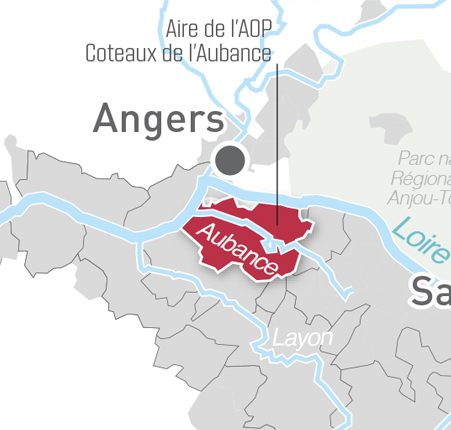
Map via: https://www.vinsvaldeloire.fr/

Map via: https://www.vinsvaldeloire.fr/

Here are a few other interesting tidbits about Anjou Brissac:

  • The Anjou Brissac AOC occupies the exact same geographic location as the Coteaux de l’Aubance AOC. The Coteaux de l’Aubance AOC produces Chenin Blanc-based, sweet white wines.
  • The area covered by the Anjou Brissac AOC (as well as the Coteaux de l’Aubance AOC) is located within the Maine-et-Loire département, and includes the following communes: Brissac Loire Aubance (comprising the former communes of Brissac-Quincé, Saint-Saturnin-sur-Loire, and Vauchrétien), Denée, Les Garennes sur Loire (comprising the former communes of Juigné-sur-Loire et Saint-Jean-des-Mauvrets), Mozé-sur-Louet, Mûrs-Erigné, Saint-Melaine-sur-Aubance, and Soulaines-sur-Aubance
  • The appellation was created (as Anjou Villages Brissac) in 1998, when it was separated out from the much larger Anjou Villages AOC.

Regulations on the wines:

  • Minimum 11% abv
  • Maximum 3g/L of residual sugar
  • May be released on July 15 of the year following harvest (although the wine is considered to have excellent potential for aging)

Leading producers of Anjou Brissac AOC include Domaine de Gaubourg, Château la Varière, and Domaine de Montgilet.

Confusion Corner: This change does not affect the Anjou Villages AOC which (confusingly) is a separate appellation from the (former) Anjou Villages Brissac AOC.

References/for more information:

Post authored by Jane A. Nickles…your blog administrator: jnickles@societyofwineeducators.org
Dispatch from Ribera del Duero (and Ribera Blanco DO)

.

.

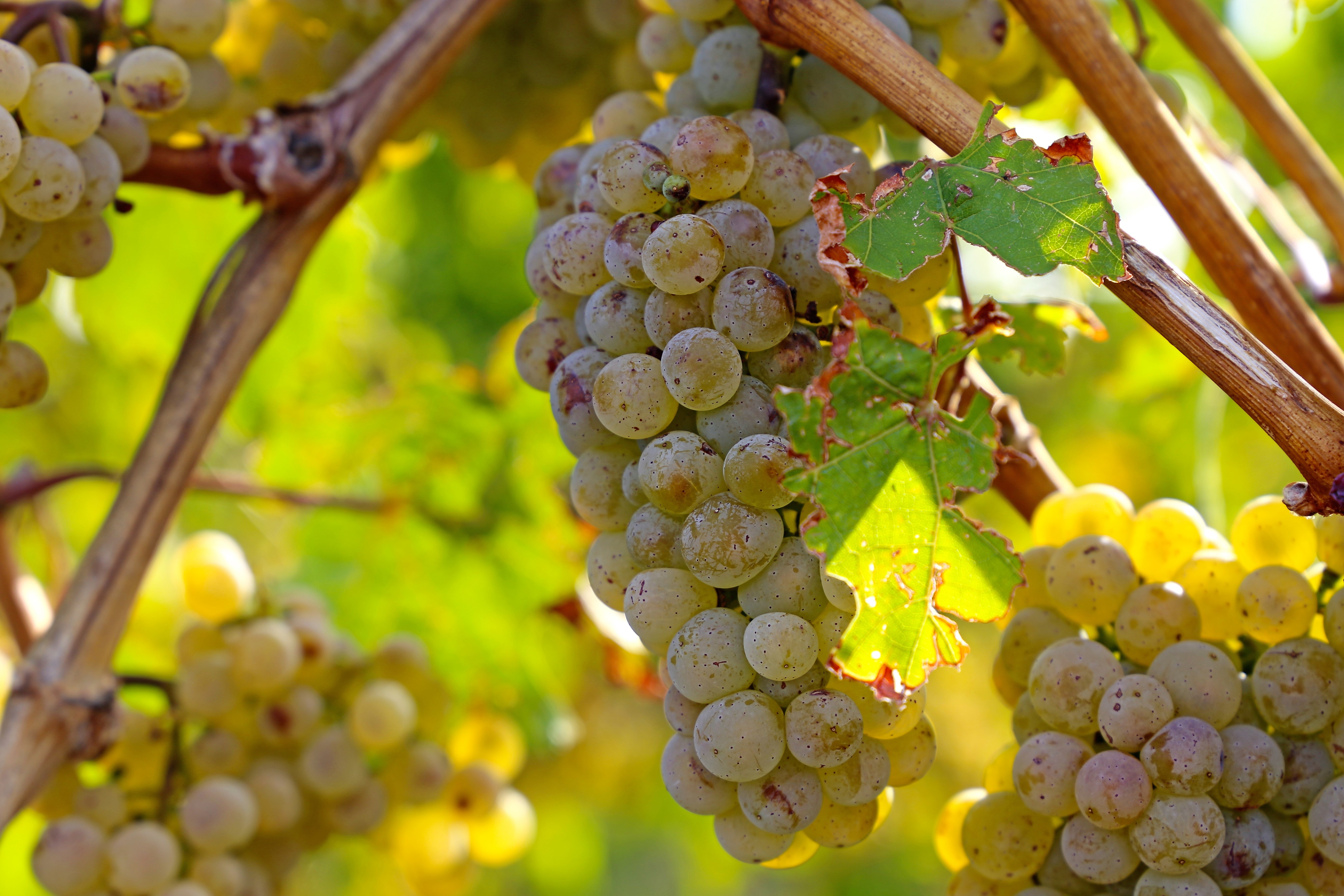
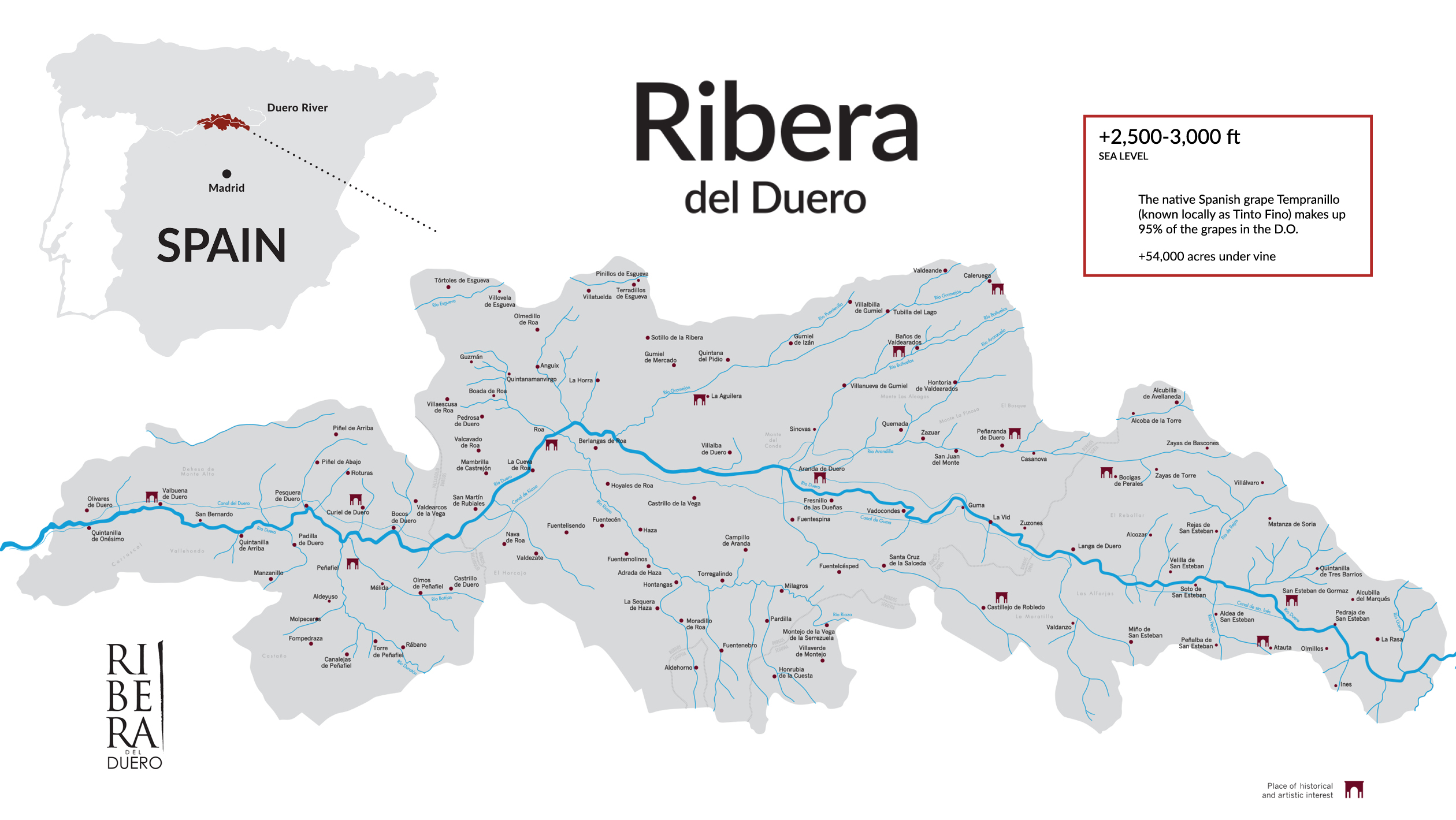
In March of 2020, Spain’s Ministry of Agriculture approved a proposal to modify the Pliego de Condiciones for the DO Ribera del Duero. The new rules allow for the production of white wines based on the Albillo Mayor grape variety to be bottled under the Ribera del Duero DO, beginning with the 2020 vintage.

The Ribera del Duero DO—located in Castilla y León—was established in 1982 and quickly made a name for its flavorful red wines based on a minimum of 75% Tempranillo (often referred to here as Tinta del País or Tinto Fino). The red wines of the area always allowed for the inclusion of up to 5% Albillo Mayor—a white grape believed to be native to the area and grown in minute quantities but renowned for the rich aromatic notes and softening effect the it brought to the red wines of the region. Rosado is also produced in the area, often based on Garnacha with perhaps a bit of Merlot, Malbec, Cabernet Sauvignon or Albillo Mayor in the blend.

.

.

With the newly-published revisions in the rules, the Ribera del Duero DO is now producing white wines—known as Ribera Blanco—based on a minimum of 75% Albillo Mayor. The other white grapes allowed include Alarije (Pirulés) and Chasselas—provided they were planted prior to July 21, 1982.

Ribera Blanco may be produced via stainless steel fermentation as a light, fruity wine intended for early consumption. Such wines have been described as having delicate fruit flavors (green apple, lemon, pear) and lightly floral aromas.

Ribera Blanco may also be produced via oak fermentation and/or oak aging; and may be bottled under the typical aging designation for Spanish DOP wines (crianza, reserva, and gran reserva). Such wines are expected to show hints of gold or amber in the color and exhibit aromas of ripe pear, dried fruit, oak, smoke, beeswax, and vanilla.

The proposal to allow for the production of Ribera Blanco was originally published by El Boletín Oficial del Estado (BOE) of Spain on July 27, 2019. While the new DO regulations have been approved at the national level, they will still need to work their way through the EU approval process.

Map via: riberadelduero.es

Map via: riberadelduero.es

References/for more information:

Post authored by Jane A. Nickles…your blog administrator: jnickles@societyofwineeducators.org
Dispatch from the Vino de Pago Chozas Carrascal

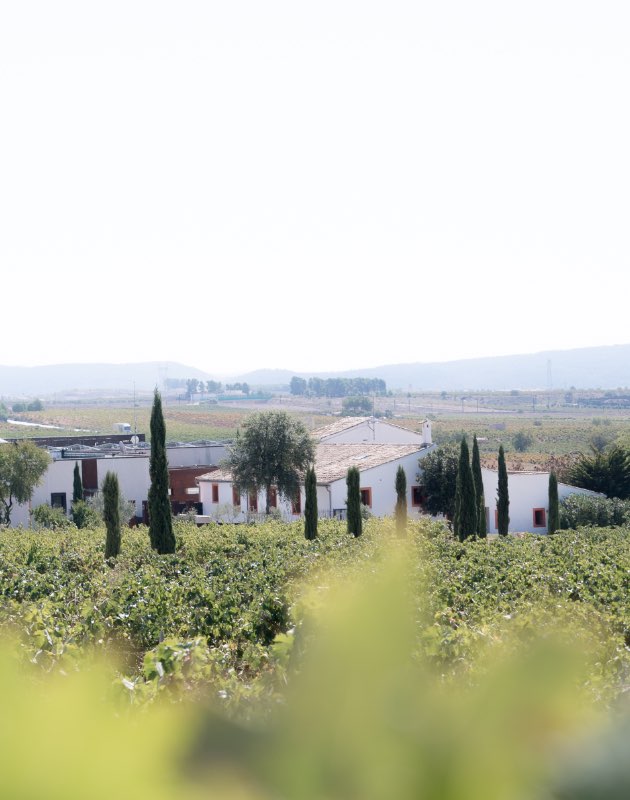
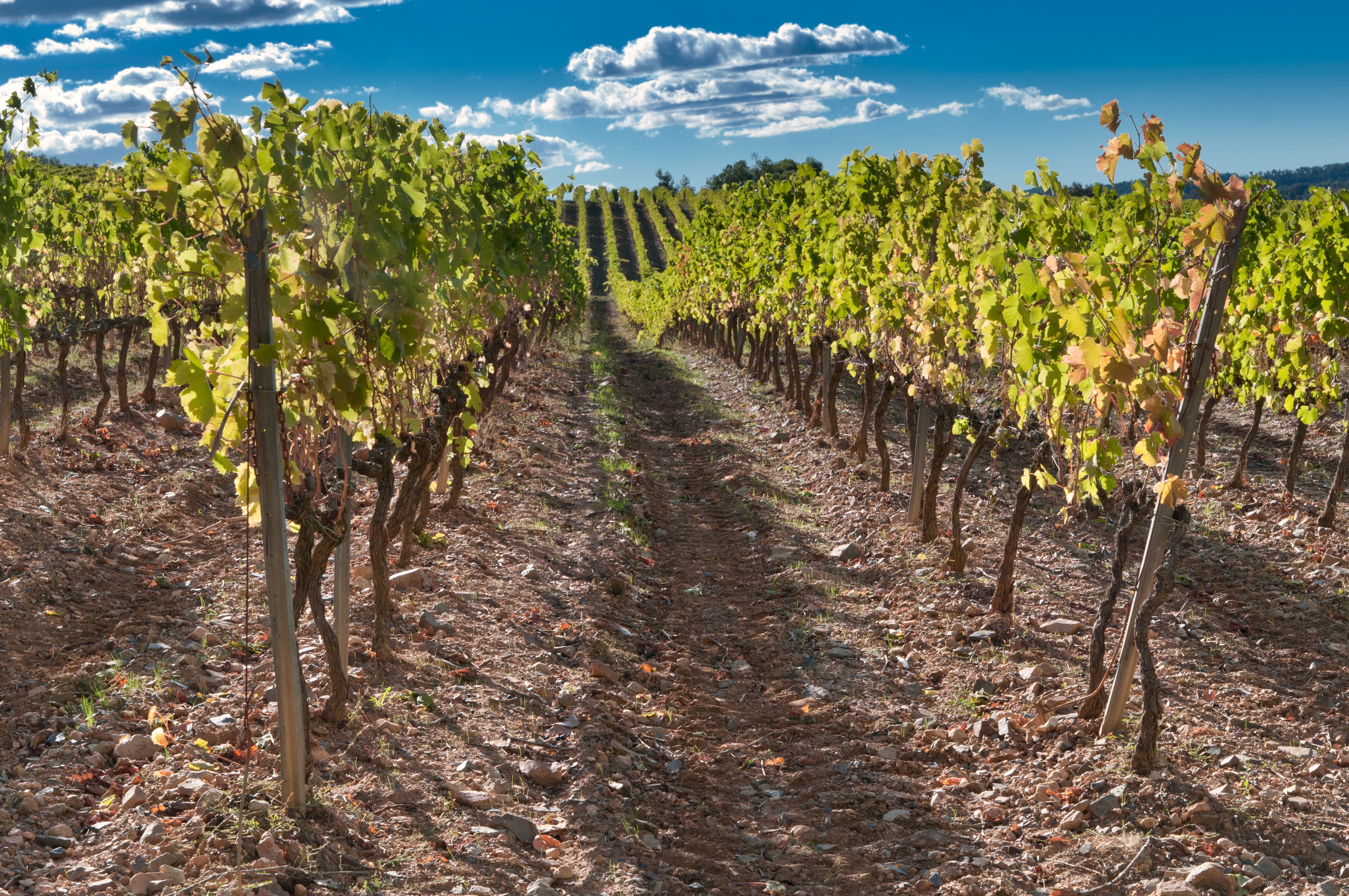
Photo via: http://chozascarrascal.com/vina/

Photo via: http://chozascarrascal.com/vina/

Bodega Chozas Carrascal—located in Valencia, Spain—was founded by the husband-and-wife team of Julian Lopez and Jose Maria Peidro in 1990. The poetic-sounding name of the estate is based on the nickname (“Chozas”) of one of their grandfathers, and a type of scrub oak tree native to the Mediterranean (Quercus coccifera, aka carrascal) that—once upon a time—were widespread in the area.

Thirteen years after their purchase of the property—in 2003—the winery released its first wine. These early wines, bottled mainly under the Utiel-Requena DO, included a range of red, white, rosé, and sparkling wines based on the traditional grapes of the region (Bobal, Monastrell, Garnacha, Tempranillo and Macabeo) as well as some international varieties, including Cabernet Franc, Cabernet Sauvignon, Syrah, Merlot, Voigner, Chardonnay, and Sauvignon Blanc.

In 2012, 30 hectares within the Chozas Carrascal estate were approved by the Spanish government as a Vino de Pago. Just a few days ago (on May 11, 2020), the designation was approved by the European Commission and published in the Journal of the EU. (It’s official!)

Bodega Chozas Carrascal continues to produce a wide range of wines, including reds, whites, and rosé bottled under the Utiel-Requena DO as well as sparkling wines (Cava DO). Their current releases include the following four wines bottled under the Vino de Pago Chozas Carrascal designation:

  • Las Tres: a white blend of Chardonnay, Sauvignon Blanc, and Macabeo; barrel-fermented, fermented in oak, and oak-aged for 8 weeks with daily lees stirring
  • Las Ocho: a red blend of 8 grapes; each grape is vinified separately with the final blend aged for 14 months in French oak
  • Las Quatro: a young (joven) rosé made from co-fermented Tempranillo, Garnacha, Syrah, and Merlot
  • Cabernet Familiar: 100% Cabernet Franc, aged for 9 months in new French oak
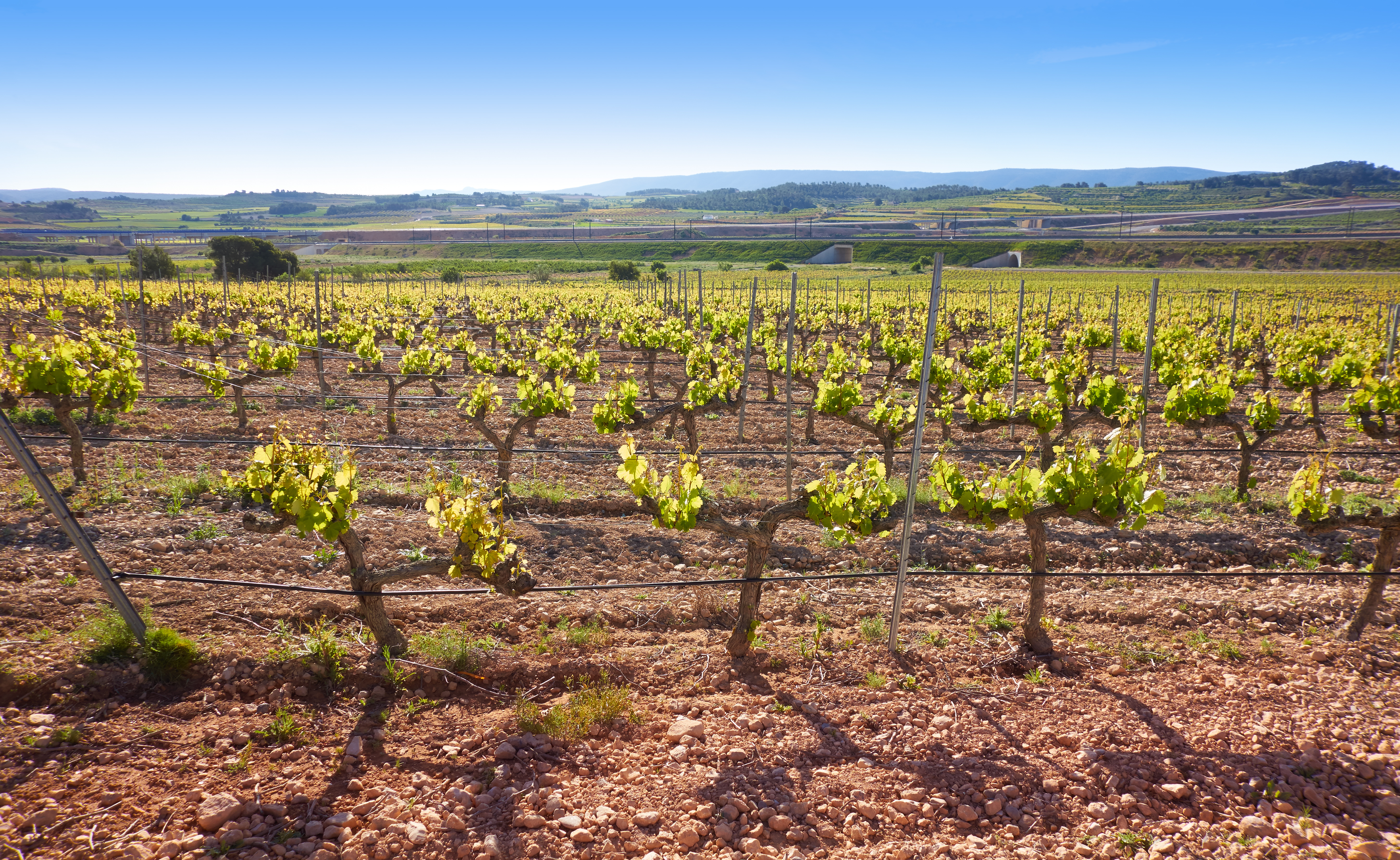
.

.

The regulations of the Vino de Pago Chozas Carrascal allow for the production of these four styles of wine, in accordance with the following standards:

  • 100% Cabernet Franc (monovarietal/dry red):
    • Minimum of 5 months of oak aging
    • Abv of at least 13%
  • Dry red blends:
    • Grape varieties: Bobal, Monastrell, Garnacha Tinta, Tempranillo, Cabernet Sauvignon, Cabernet Franc, Syrah, and Merlot
    • Minimum of 5 months of oak aging
    • Abv of at least 13%
  • Dry white blends:
    • Grape varieties: Chardonnay, Sauvignon Bland, and Macabeo (Viura)
    • Fermentation must occur in oak barrels
    • No aging requirement
    • Abv of at least 12.5%
  • Dry rosé:
    • Grape varieties: Syrah, Merlot, Garnacha, and Tempranillo
    • Stainless steel fermentation followed by “oak maceration” for a minimum of three weeks
    • Abv of at least 12.5%
.

.

The Chozas Carrascal property includes an olive orchard, a spa, and an impressive array of wine tourism/tasting experiences. Time to plan a road trip (once it is safe to travel again).

References/for more information:

Post authored by Jane A. Nickles…your blog administrator: jnickles@societyofwineeducators.org
At long last…Wachau is a DAC!

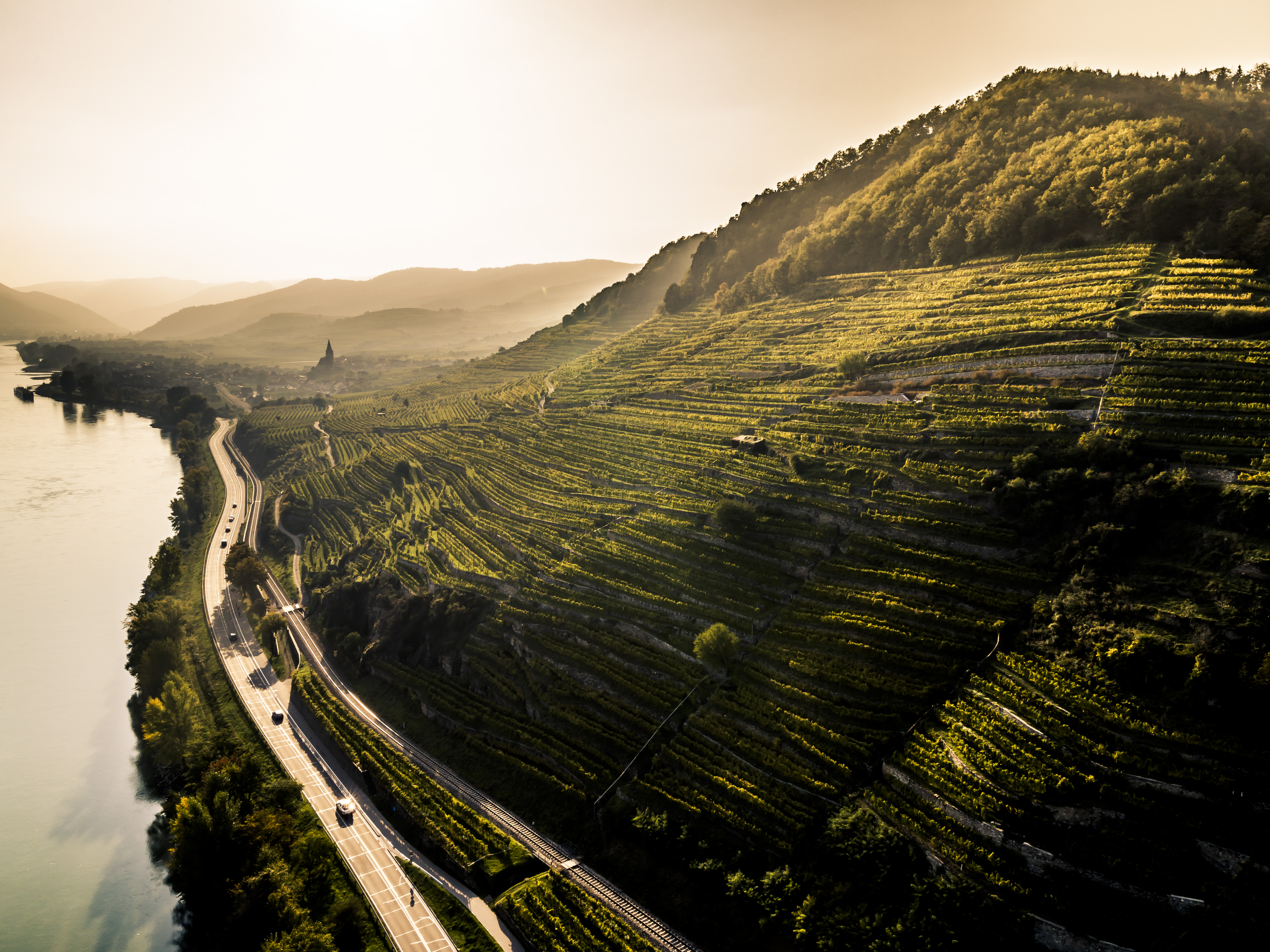
Photo of the Wachau by Robert Herbst via the website of Austrian Wine

Photo of the Wachau by Robert Herbst via the website of Austrian Wine

As announced this morning (May 8, 2020) on the website of Austrian Wine Marketing Board, Austria’s Wachau region is now officially a Districtus Austriae Controllatus (DAC) wine-producing region.

Along with the prestige of a DAC designation, a slew of new regulations have come into effect as requirements for use of the term Wachau DAC on a wine label. These regulations (and the wines) are divided into three categories—Gebietswein, Ortswein, and Riedenwein, in that order—in reference to an increasingly stricter list of requirements. These regulations are as follows:

  • Gebietswein/regional wines—this is the most generic of the designations, and includes wines that may be produced from grapes grown anywhere within the designated Wachau region.
    • Allowed grape varieties—white: Grüner Veltliner, Riesling, Weissburgunder, Grauburgunder, Chardonnay, Neuburger, Muskateller, Sauvignon Blanc, Traminer, Frühroter Veltliner, Müller Thurgau, Muskat Ottonel, Roter Veltliner
    • Allowed grape varieties—red: , , Blauer Burgunder (Pinot Nor), St. Laurent, Zweigelt
    • Allowed wine styles: Single-variety (varietal) wines and blended (Gemischter Satz) wines
  • Ortswein/village wines—this designation includes wines that may be grown in any one of 22 designated villages
    • Allowed grape varieties—(all white): Grüner Veltliner, Riesling, Weissburgunder, Grauburgunder, Chardonnay, Neuburger, Muskateller, Sauvignon Blanc, Traminer
    • Allowed wine styles: Single-variety (varietal) wines only; wines must exhibit little or no influence from oak
  • Riedenwein/single-vineyard wines—this is the top-level designation, and may only be produced from grapes grown within any of the 157 precisely designated Rieden (vineyards) in the Wachau.
    • Allowed grape varieties—(all white): Grüner Veltliner and Riesling
    • Allowed wine styles: Single-variety (varietal) wines only; wines must exhibit little or no influence from oak
    • Chaptalization nor enrichment of any kind is not allowed

Approved wines may be designated as “Wachau DAC” as of the 2020 vintage. The new regulations have been approved by the Austria’s Ministry of Agriculture, Regions, and Tourism (and signed into law by federal minister Elisabeth Köstinger). However, the new designation still needs to wind its way through EU approval.

The stylistic designations—Steinfeder, Federspiel and Smaragd—as defined by Vinea Wachau, will remain in use.

References/for more information:

Post authored by Jane A. Nickles…your blog administrator: jnickles@societyofwineeducators.org