 Spain’s comunidad autónoma of Castilla-La Mancha has announced yet another new Denominación de Origen Protegida (PDO) for wine: the Vino de Pago Rosalejo! As of March 15, (2024) the EU has announced its approval of the new appellation, which follows rather quickly on the heels of the announcement of another new appellation for Castilla-La Mancha—the Campo de Calatrava DO—approved just over a month ago.
The Vino de Pago Rosalejo is approved for red wines only. According to the Pliego de Condiciones, the wines are intended to be deeply hued with a ruby-red color, intense aromas of fruit, spice, and oak-derived toast, excellent structure, and balanced acidity.
- The standards regarding the wines of the Vino de Pago Rosalejo include the following:
- Produced using Syrah, Garnacha Tinta, and Tempranillo
- Minimum 12% alcohol by volume (abv)
- Minimum 6 months aging in oak barrels, followed by a minimum of one month aging in the bottle
- Maximum yield of 68 liters of wine per 100 kg of grapes
- Alcoholic fermentation must take place at a controlled temperature
- The finished wine must demonstrate a color intensity of at least 8 A.U.
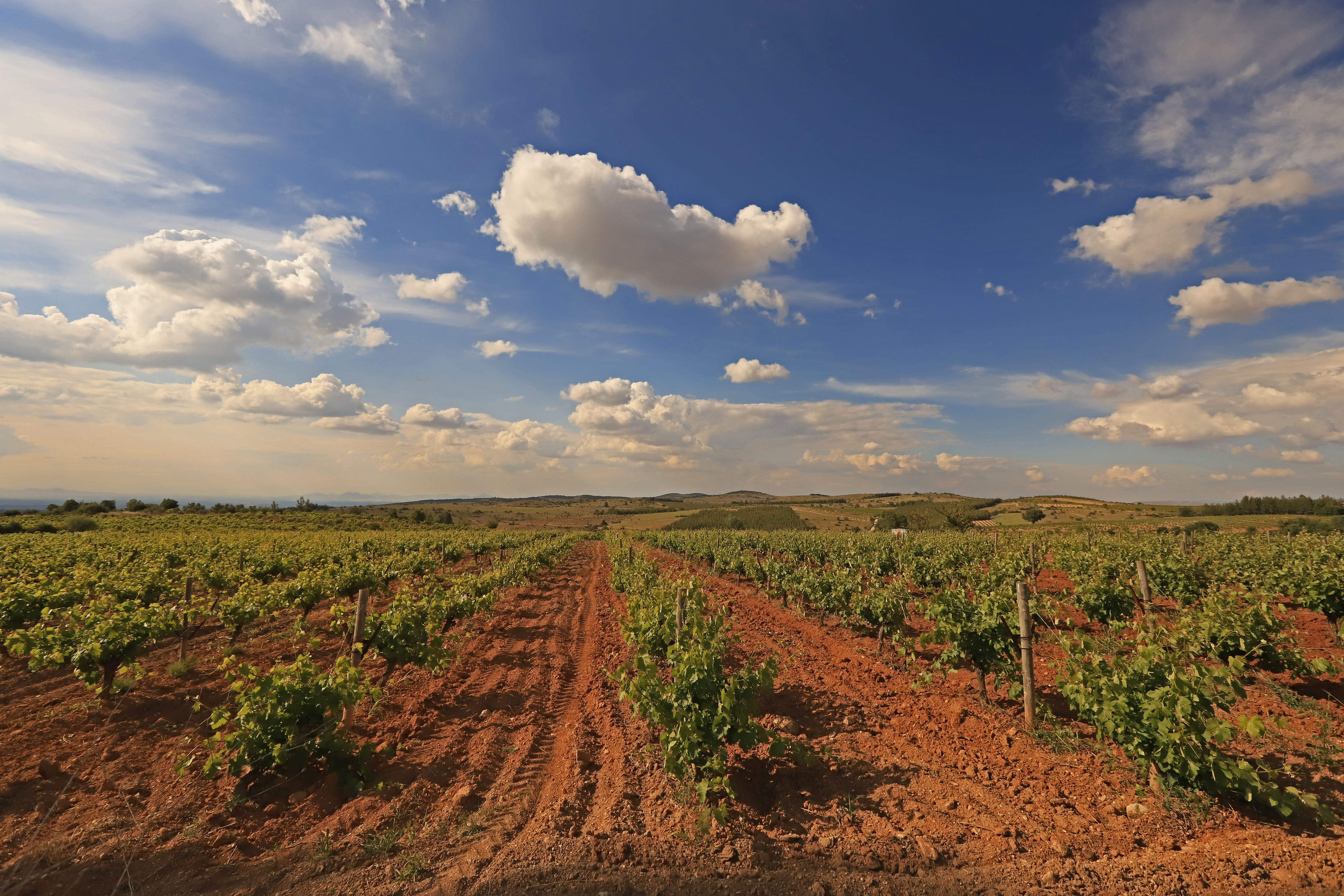
The Rosalejo PDO—located within the provinces of Ciudad Real and Toledo—is situated in the rolling hills of the Sierra de Sevilleja Mountains (part of the Montes de Toledo). The area rests atop well-drained, sandy soils derived from quartzite and granite. High levels of iron in the soil give the topsoil a distinctive orange-red hue. The minimum elevation of the vineyards is 650 meters/2,130 feet above sea level. There are currently 1,339 hectares/3,309 acres of qualified vineyards planted in the designation region.
The new appellation and its accompanying legislation will enter into force 20 days following its publication in the Official Journal of the European Union—this should be on or about April 12, 2024. We will post a map as soon as the newly crafted appellation creates one.
Welcome to the world, Vino de Pago Rosalejo!
References/for more information:
- Notice from Spain’s Ministry of Agriculture
- EU Council Implementing Decision-Rosalejo PDO-March 2024
- Proposal Rosalejo-English
- Pliego de Condiciones Vino de Pago Rosalejo
- https://www.europapress.es/economia/noticia-ue-registra-nueva-dop-vino-pago-rosalejo-ubicada-anchuras-sevilleja-jara-20240325121401.html
Post authored by Jane A. Nickles…your blog administrator: jnickles@societyofwineeducators.org