 The Entre-Deux-Mers AOC—located within Bordeaux and first approved as a white wine-only appellation back in 1937—has been going through a quiet revolution of late. We can trace this modernization trend back to August of 2023, when the appellation was approved for the production of red wines. While this was a substantial change in regard to the history of the appellation, in practice the area has always been heavily planted with red grapes, particularly Merlot.
In addition—in September of 2025—the appellation revised its standards to include mandatory lees aging for its white wines. The revised cahier des charges notes that lees aging is now required until (at least) November 15 following the harvest and stated that this was already an established practice in the area. At this same time, the regulations were revised to reflect the effect of lees aging on the finished wine as follows: “On first impression, they are usually refreshing, then generous and round. Lees contact during the making of white wines confers roundness and richness on the palate.”
More recently, the regulations were updated to include a more specific set of requirements as per the grape varieties and blending proportions—to include a maximum of 80% of any single variety. As noted in the cahier, “The purpose of this distinction is to strengthen the identity of the wines by enhancing the complexity of their aromatic profiles. Furthermore, by imposing this 80 % limit, the producer group for the designation wishes to avoid labelling the wines as single varietal. This new requirement is in addition to the rule that the wines must be made from at least two main grape varieties.”
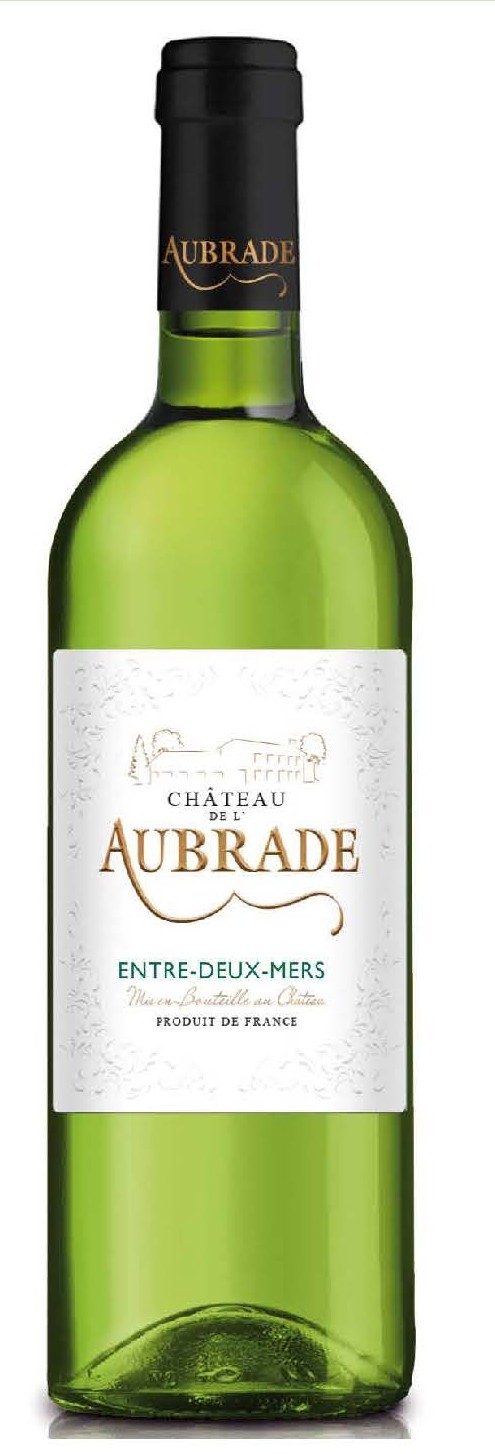
Photo via: https://vignobles-lobre.com
The new standards concerning grape varieties are as follows:
- White Wines:
- Principal varieties: Sauvignon Blanc, Sémillon, Muscadelle, and/or Sauvignon Gris
- Accessory varieties: Colombard and/or Ugni Blanc
- Limitations: The wine must contain at least two grape varieties, no single grape may comprise more than 80% of the blend, and accessory varieties are limited to a maximum of 30% of the total assemblage.
- Red Wines:
- Principal varieties: Merlot, Cabernet Sauvignon, Cabernet Franc, Malbec (aka Côt), and/or Petit Verdot
- Accessory variety: Carmenère
- Limitations: The wine must contain at least two grape varieties, no single grape may comprise more than 80% of the blend, and accessory varieties are limited to a maximum of 30% of the total assemblage. (These are identical to the limitations for white wine.)
Entre-Deux-Mers has long been a widely distributed, popular style of Bordeaux and with these changes…it just keeps getting better!
References/for more information:
Post authored by Jane A. Nickles…your blog administrator: jnickles@societyofwineeducators.org