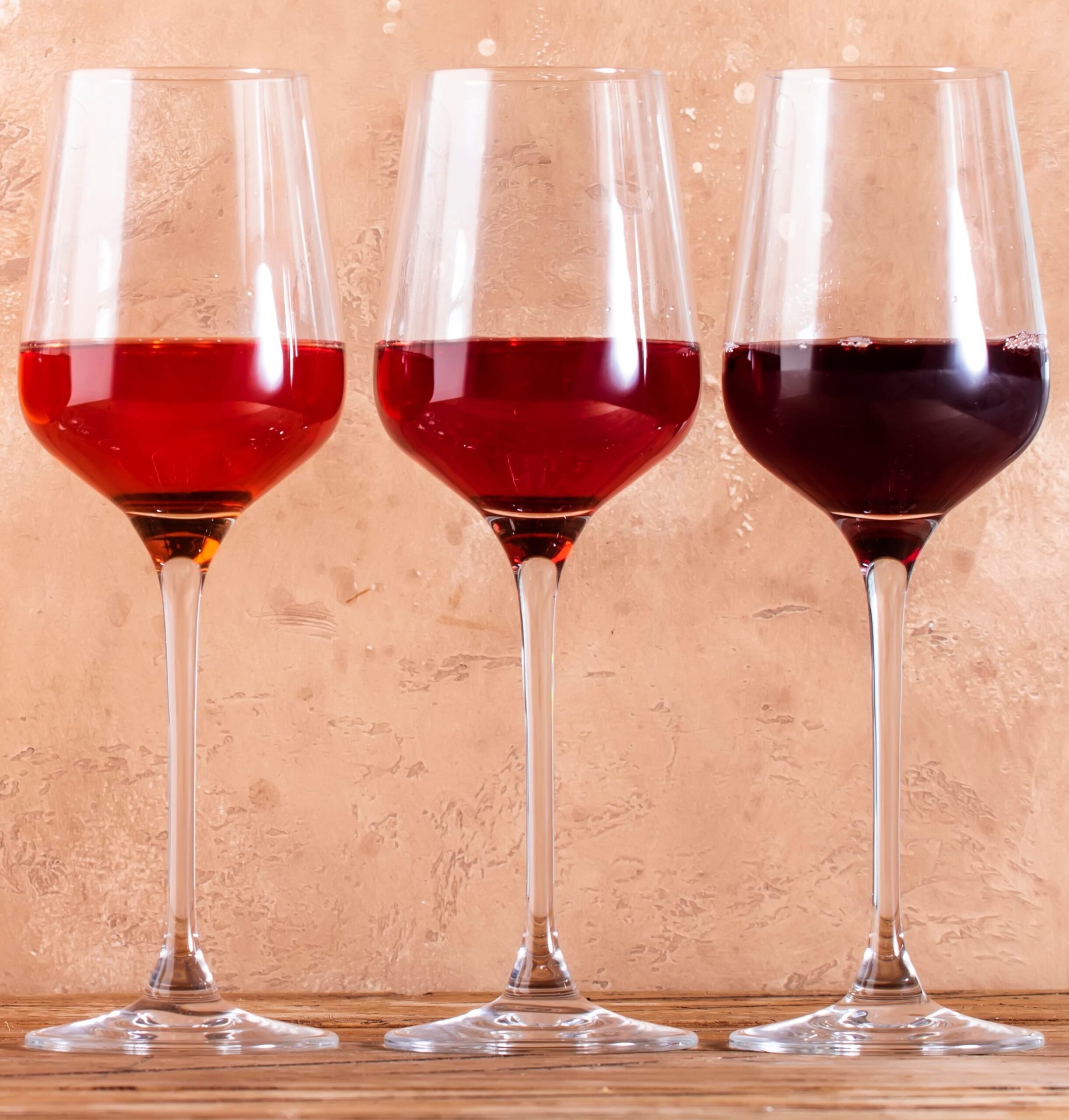
 Two words, both alike in dignity, in Beautiful Bordeaux, where we lay our scene…
With apologies to Shakespeare, I’d like to gently bring up the topic of claret and clairet. If you are a casual wine lover and believe them to be the same word, I understand. If you are a sophisticated wine lover accustomed to using the term claret to generically refer to any nice, dry, red wine…I understand. If you are anyone confused by the term clairet, we all empathize.
The Bordelais, however, may not understand. You see, the cahier des charges for the Bordeaux AOC has been updated to assign a very particular definition for both terms, as discussed below!
For starters, consider clairet. The official documentation (the cahier des charges) for Bordeaux states that this term is reserved for dark rosé wines (“vin rosé foncé”). It is believed that this style of darker, fuller-bodied rosé is similar to the Bordeaux Rouge produced during the Middle Ages—as was often exported to England and also known as vinum clarum or vin clar.
According to the cahier, Bordeaux Clairet should have an intense and bright color with raspberry highlights and aromas of ripe, juicy fruit. They have a more full-bodied taste than other rosés with a longer finish and should be enjoyed while young (within three years of bottling). The Oxford Companion to Wine notes that the wine is usually fermented on the grape skins for about 24 hours before being pressed.
Next, consider the more complicated term: claret. This term has been used historically, primarily by the British, to refer to the any of the red wines of Bordeaux, and—outside of France—is sometimes used as an unofficial, generic term for dry red wine. However, with the recent (2026) update to the cahier des charges for the Bordeaux AOC (as approved by the EU), the term is now officially defined (within the EU) as light red wine (“vin rouge clair”).
These new regulations state that Bordeaux Claret should have a light ruby red to purple color and a light tannic structure. Aromas should be moderate to intense and redolent of ripe red fruit. In addition, malolactic fermentation is optional for claret, while it remains mandatory for the other red wines of Bordeaux.
Interestingly, Bordeaux Claret is allowed to contain up to 7 g/L of residual sugar—although this allowance goes hand-in-hand with minimum levels of tartaric acid, and the wine must be perceived as dry. As such, the sugar allowance (when used) is meant to enhance the smoother texture of the wine and not to create an off-dry wine.
- All of the red wines of the Bordeaux AOC, including claret and clairet, may be made with the following grape varieties:
- Principal varieties: Cabernet Sauvignon, Cabernet Franc, Merlot, Malbec, Petit Verdot, Carmenère
- Accessory varieties, maximum allowed 10% (total): Arinarnoa, Castets, Marselan, Touriga Nacional, Vidoc
What shall we try first—clairet or claret, or both?
References/for further information:
- Cahier des Charges Bordeaux 2026 in English
- Cahier des Charges Bordeaux 2026 in French
- Bordeaux (dot) com
- Robinson, Jancis, and Julia Harding: The Oxford Companion to Wine, 5th Edition. Oxford, 2023: The Oxford University Press.
Post authored by Jane A. Nickles…your blog administrator: jnickles@societyofwineeducators.org