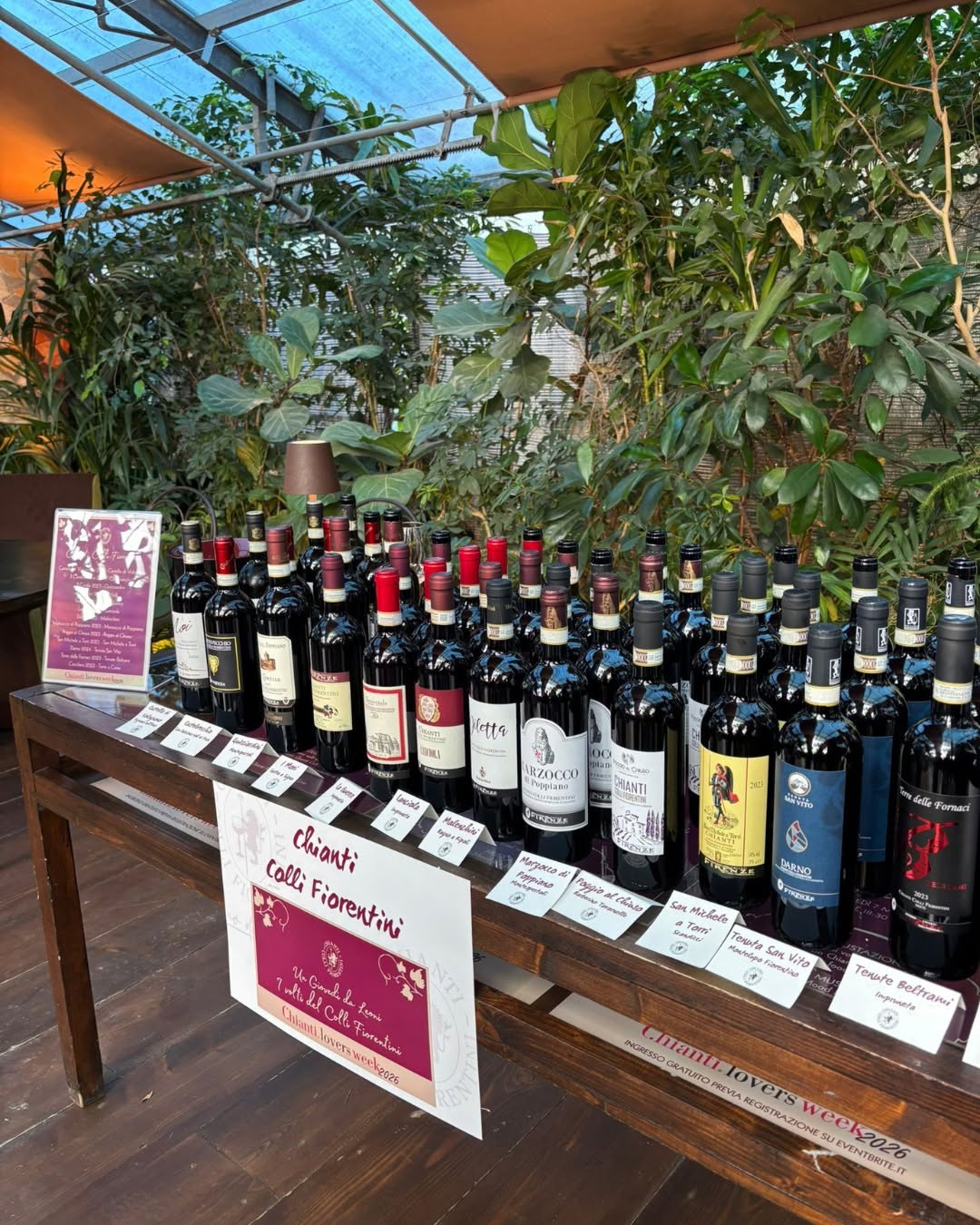
Photo via: www.consorziovinochianti.it/
Big news! The EU has approved a few changes to the rules and regulations that define one of Italy’s most beloved wines…Chianti DOCG.
These revisions began their journey about six months ago, when a series of proposals were approved by the Consorzio Vino Chianti and later by Italy’s Ministry of Agriculture, Food Sovereignty, and Forestry (Ministero dell’Agricoltura, della Sovranità Alimentare e delle Forestein). A comprehensive proposal was then forwarded to the EU, where its approval was announced on October 30, 2026, via publication in the Official Journal of the European Union.
There are quite a few minor details tucked into the announcement, however, there are three major changes. Pertaining to the wines of the Chianti DOCG, they are as follows:
#1: A change in the grapes: Chianti has—for generations—been one of Italy’s most famous Sangiovese-based wines. And so it will remain; however, the minimum requirement for Sangiovese has been lowered to 60%. Note that this is the minimum requirement for Sangiovese, and it remains possible for Chianti DOCG to be produced using (up to) 100% Sangiovese. Previously, the minimum requirement was 70% Sangiovese, so this represents a significant change.
#2: Rosé! In a big change for this truly iconic red wine, Chianti DOCG is now allowed to be produced as a dry rosé. The allowed grape varieties mirror those of the standard (red) version of Chianti (minimum 60% Sangiovese). Chianti Rosé is described as “pale pink in color, with varying tones depending on the grape variety or varieties used to produce the wine.”
Chianti Rosé does not have any specific aging requirement aside from the fact that it may not be released before December 1 of the harvest year. In addition, it seems that Chianti Rosé will be positioned as a modern expression of the wine, as neither the traditional straw-wrapped bottle (fiasco) nor Governo all’uso Toscano (the inclusion of partially dried grapes) are allowed for use with Chianti Rosé.
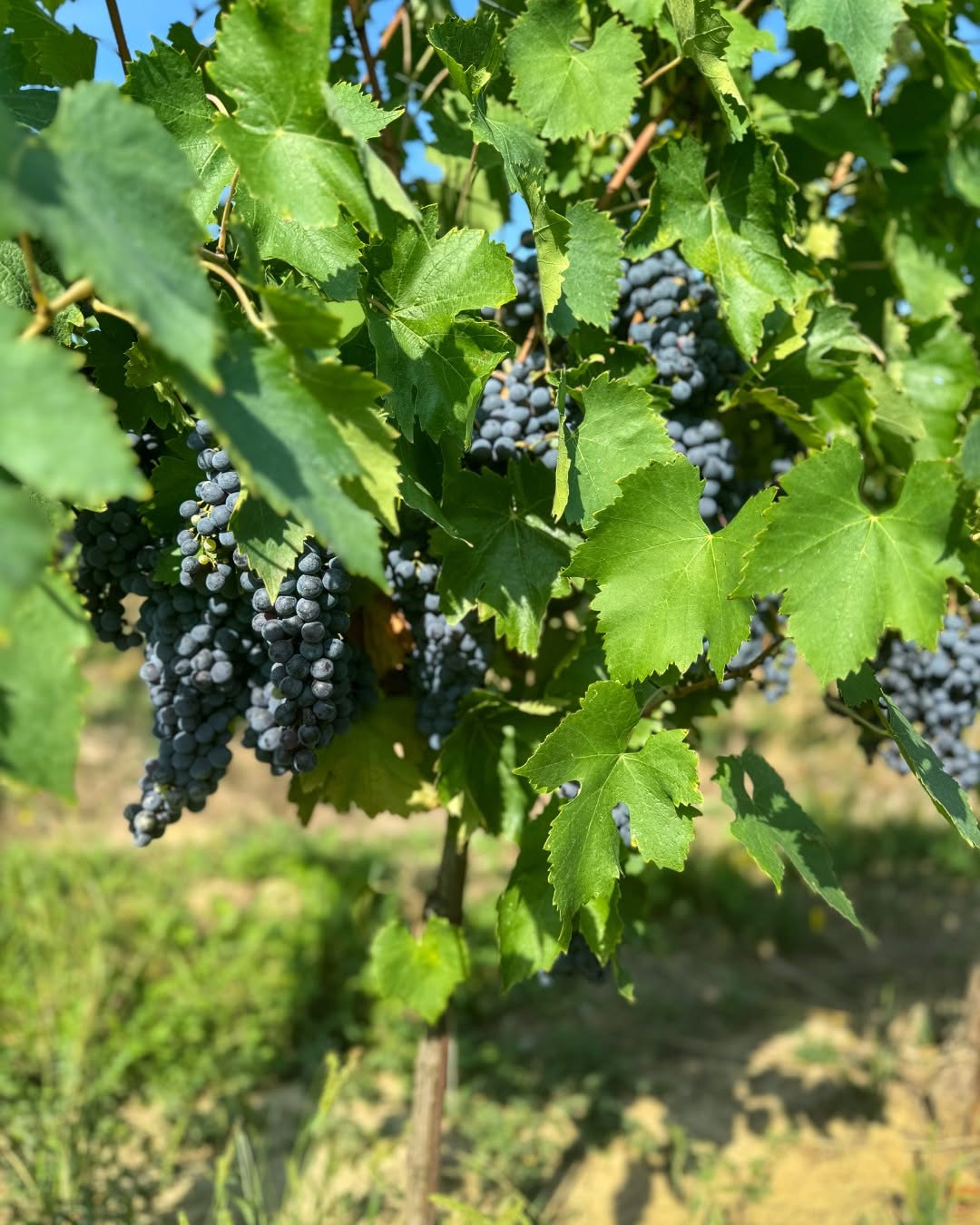
Photo via: www.consorziovinochianti.it/
#3: And then there were eight: a new sub-area! Named for the birthplace and childhood home of Leonardo da Vinci, the Terre di Vinci subarea is situated in the northwest of the Chianti DOCG. Covering four municipalities—Vinci, Ceretto Guidi, Fucechio, and Capraia e Limte—it is located about 15 miles west of downtown Florence within the generic Chianti DOCG region. The altitude here is moderate (about 490 feet/150 meters above sea level) with gently undulating slopes and a mild Mediterranean climate. (The seven previously-approved sub-areas of the Chianti DOCG include Rufina, Colli Fiorentini, Montespertoli, Montalbano, Colli Senesi, Colli Aretini, and Colline Pisane.)
More details can be found in the revised disciplinare for the Chianti DOCG, attached below.
References/for more information:
Post authored by Jane A. Nickles…your blog administrator: jnickles@societyofwineeducators.org